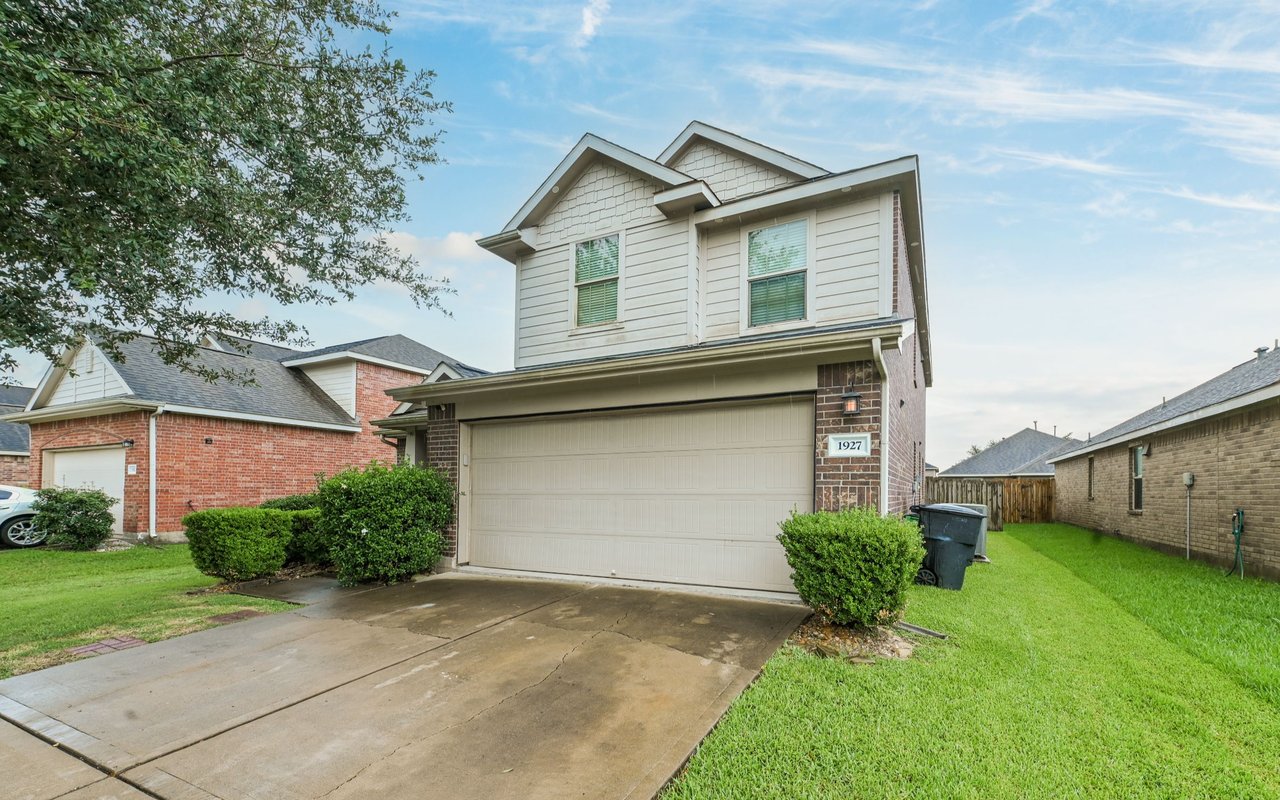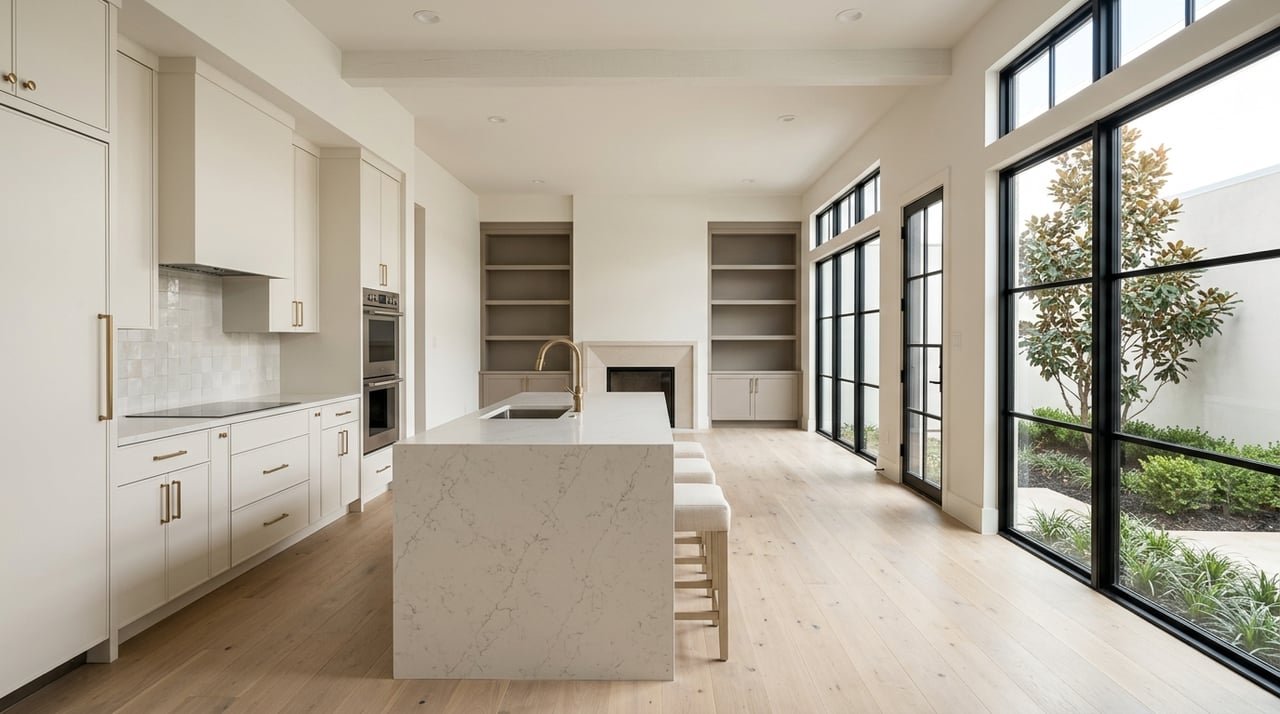
If you have started house hunting in Houston Heights, you have probably noticed one thing fast: this neighborhood does not come in one standard package. On one block, you may find a restored bungalow with a deep front porch. A few streets over, you might see a townhome or a newer infill home with a more modern layout.
That mix can feel exciting, but it can also make your decision harder. If you are trying to weigh charm, maintenance, resale, and renovation rules, you need more than listing photos. You need a clear way to compare your options in context. Let’s dive in.
Why Heights Homes Vary So Much
Houston Heights was originally platted in 1891 and later added to the National Register of Historic Places in 1983. The City of Houston identifies three city-designated Heights historic districts: West, East, and South. In practical terms, that means rules and housing patterns can change from block to block rather than staying consistent across the whole neighborhood.
That history helps explain why the Heights has such a mixed housing stock today. Older one- and two-story homes remain a big part of the area, especially in historic sections. At the same time, newer infill, attached homes, and redevelopment along certain corridors have added very different housing choices only a few blocks apart.
Houston also does not use a traditional zoning map. In the Heights, built form is shaped by deed restrictions, historic district rules, and development regulations instead. For buyers, that matters because the home you love is only part of the story. The block, lot, and governing rules matter too.
What Defines a Heights Bungalow
Many of the older homes that draw buyers to the Heights are bungalows or other historic single-family houses. The City describes common Heights styles as Queen Anne, Craftsman, Folk National, and Folk Victorian. In bungalow-style homes, you will often see a boxy shape, low-pitched rooflines, wide eaves, and Craftsman details.
These homes often sit on raised pier-and-beam foundations and feature front porches, large vertically proportioned windows, and wood siding. Those details are a major part of the neighborhood’s visual identity. They also help explain why buyers are often willing to pay for character that feels hard to recreate.
The tradeoff is usually upkeep and oversight. Because many of these homes are older and may include original or historic exterior materials, buyers should pay close attention to the condition of windows, siding, porches, roof shape, and foundation details during tours and inspections.
What to Know About New Builds
New construction is part of the Heights story too, but it is not a free-for-all. In areas where historic rules apply, the City of Houston reviews new construction for compatibility with the surrounding context. That includes things like width, overall height, eave height, foundation height, porch height, roof shape, and roof pitch.
In other words, a new home can feel fresh and modern without ignoring the rhythm of the street. The City notes that even a two-story new house may be allowed in a one-story context if the proportions are compatible. That makes context a big part of how a new build is judged.
For you as a buyer, the appeal is easy to understand. Newer systems, more current layouts, and lower near-term repair demands can be very attractive. The key is making sure the home works not just as a standalone property, but as part of the block where it sits.
Where Townhomes Fit In
Townhomes and townhouse or condo-style homes are also part of the broader Heights and Greater Heights market. They give buyers another option between a historic bungalow and a detached new-build home. While every block is different, attached housing is clearly part of the area’s comparison set.
For many buyers, townhomes offer a practical middle ground. You may get a newer layout and potentially less exterior upkeep than an older house, while avoiding some of the lot and maintenance demands that can come with a detached home. That can be especially appealing if you want Heights access with a more lock-and-leave lifestyle.
The tradeoff often comes down to privacy, yard space, and how you want to live day to day. If outdoor space and original architecture matter most, a bungalow may still win. If efficiency and modern function matter more, a townhome may be the better fit.
Historic District Rules Matter
One of the biggest buyer mistakes in the Heights is assuming every home comes with the same level of flexibility. It does not. If a property is located in a City of Houston historic district, many exterior changes require advance approval through a Certificate of Appropriateness, also called a COA.
According to the City, COA review can apply to projects that affect exterior appearance, additions, new structures, relocations, and demolition. Ordinary maintenance and repair may be exempt, but other permits can still apply. The City also warns that work completed without an approved COA can lead to stop-work orders and penalties.
That does not mean you should avoid historic homes. It simply means you should understand the rules before you buy. If you already know you want to expand, rework the exterior, or significantly alter the front elevation, confirming the property’s historic status early is essential.
How Block Context Affects Value
In the Heights, street context is part of the product. The City notes that typical front setbacks are about 15 to 25 feet, with garages and carports usually placed in the rear half of the lot and driveways generally on the side. Front parking pads are considered incompatible with district character.
Those details may sound technical, but they shape how a street feels and how a home fits visually. A bungalow block often feels different because lot rhythm, porch depth, building line, and massing are more consistent. Newer infill streets may create a different experience, even when the homes are only minutes apart.
Houston also has tools such as Special Minimum Lot Size and Special Minimum Building Line designations. These can help preserve established lot patterns and building lines over time. For buyers thinking about resale, that consistency can matter because it helps protect the streetscape that attracted you in the first place.
Comparing Your Main Options
If you are choosing between housing types in the Heights, it helps to focus on how each one solves a different problem.
Restored bungalows
A restored bungalow often offers the strongest sense of architectural character and neighborhood identity. You may get original design details, a welcoming front porch, and a more established street presence. The tradeoff is that condition, maintenance, and exterior-change rules usually deserve closer attention.
Townhomes
A townhome can be a smart fit if you want a newer floor plan and a more streamlined lifestyle. This option often sits between older homes and detached new construction in terms of privacy, yard size, and maintenance expectations. It can be a useful choice if you value efficiency and location.
New construction
A new build usually appeals to buyers who want modern systems, contemporary finishes, and more current spatial flow. In the Heights, however, the strongest new construction tends to respect the area’s established scale, setbacks, and roofline patterns. That fit can play an important role in long-term appeal.
Current Market Context in the Heights
The broader Heights and Greater Heights market gives buyers useful perspective. HAR’s July 2026 market update shows 4.9 months of inventory, a median sold price of $859,946, and an average of 35.5 days on market. That points to a balanced market where you may have time to compare options carefully, even though strong listings can still move at a healthy pace.
HAR’s Houston Heights neighborhood page further highlights the area’s mixed housing stock. It shows 110 active listings, an average list price of $1,189,889, an average list price per square foot of $432.72, and a median year built of 1950. Together, those numbers reinforce what buyers see on the ground: older homes, higher-end active inventory, and newer infill all competing in the same neighborhood story.
Questions to Ask When Touring
A good Heights tour is about more than finishes and staging. You want to understand how the property functions legally, physically, and within its block context.
Ask these questions as you compare homes:
- Is the property inside a City of Houston historic district?
- If it is in a historic district, is it contributing or noncontributing?
- If you want to change the exterior later, would a COA likely be required?
- Which exterior elements are original, and which have been replaced?
- What are the front setback, driveway location, and garage placement?
- Are there recorded deed restrictions or neighborhood rules that affect use or design?
- Is the home in a mapped floodplain or flood hazard area?
- If the property is newer construction, were permits and approvals handled properly?
These questions can help you avoid surprises and compare homes on more than surface appeal. In a neighborhood like the Heights, good due diligence often creates better confidence and better negotiating strategy.
A Smarter Way to Choose in Houston Heights
The Heights is best understood as a block-by-block decision, not a one-size-fits-all neighborhood. A bungalow, a townhome, and a new build can each be the right choice depending on how you weigh character, convenience, maintenance, and future plans. The goal is not picking the “best” category. The goal is finding the property that fits your lifestyle and still makes sense within the rules and rhythm of the block.
That is where local guidance can make a real difference. When you know how to evaluate historic context, market positioning, and resale fit at the same time, your decision becomes much clearer.
If you want help comparing homes in Houston Heights with a sharper eye on value, block context, and long-term fit, reach out to Thomas Eureste.
FAQs
What makes Houston Heights different from other Houston neighborhoods?
- Houston Heights has a mixed housing stock shaped by its 1891 origins, historic districts, deed restrictions, and development rules rather than traditional zoning.
What should you know before buying a bungalow in Houston Heights?
- You should confirm whether the home is in a historic district, review the condition of key exterior features, and understand that some exterior changes may require City approval.
How are new builds regulated in Houston Heights?
- In applicable historic areas, new construction is reviewed for compatibility with the surrounding block, including scale, height, roof form, foundation height, and setbacks.
Are townhomes common in Houston Heights?
- Townhomes are part of the broader Heights and Greater Heights housing mix, though the share of attached housing varies by block and subarea.
What flood research should buyers do in Houston Heights?
- Buyers should use the City of Houston Map Viewer and the Harris County Flood Education Mapping Tool to check mapped flood hazards and floodplain information before making assumptions.
How is the Houston Heights market performing?
- HAR’s July 2026 data for Heights and Greater Heights shows a balanced market with 4.9 months of inventory, a median sold price of $859,946, and 35.5 average days on market.