If you are wondering whether Houston Heights is charming, convenient, or just plain busy, the honest answer is that it can be all three. This is one of those Houston neighborhoods that feels distinct the moment you drive, walk, or bike through it, and that matters when you are trying to picture your real day-to-day life there. If you want a clear sense of what living in Houston Heights really feels like, this guide will help you understand the rhythm, tradeoffs, and appeal of the area. Let’s dive in.
Houston Heights has a strong identity
Houston Heights does not feel like a generic inner-loop neighborhood. According to the City of Houston, it was founded in 1891, incorporated in 1896, and annexed in 1918, originally planned as a streetcar suburb with Heights Boulevard as a central spine.
That history still shows up today. The neighborhood often feels more compact, legible, and residential in scale than many other close-in parts of Houston. You can sense that older layout in the blocks, the boulevard, and the way daily life tends to gather around recognizable pockets.
The community side is also unusually visible. The Heights Association describes the area as a small-town community within Houston and supports volunteer work, parks, home tours, and neighborhood events. That creates a feeling that people are not just living there, but actively shaping the place.
Daily life feels walkable in pockets
One of the biggest reasons people are drawn to the Heights is that everyday life can feel more connected and convenient than in many car-first parts of Houston. You are not necessarily walking everywhere, but errands, coffee, dining, and casual browsing often happen in compact clusters.
The neighborhood’s historic materials point to West 19th Street as the original commercial core, and that area still carries a local storefront feel. Heights Mercantile adds another recognizable retail and dining pocket near Heights Boulevard and Yale. Instead of one giant commercial zone, the Heights tends to offer several smaller hubs with their own energy.
That has a real effect on how the neighborhood feels. A quick outing can turn into a walk, a coffee stop, or dinner without needing to cross half the city. For many buyers, that is a big part of the Heights lifestyle.
Some blocks feel lively and some feel quiet
The Heights is not one-note. The City of Houston notes that the biggest commercial activity and change have concentrated along Yale, 11th, 19th, and 20th Streets, plus areas near the I-10 frontage.
In practical terms, that means one street can feel calm and residential while a nearby corridor feels much more active. If you are considering a move, this is a neighborhood where a few blocks can make a meaningful difference in noise, traffic, and overall atmosphere.
The homes give the Heights its personality
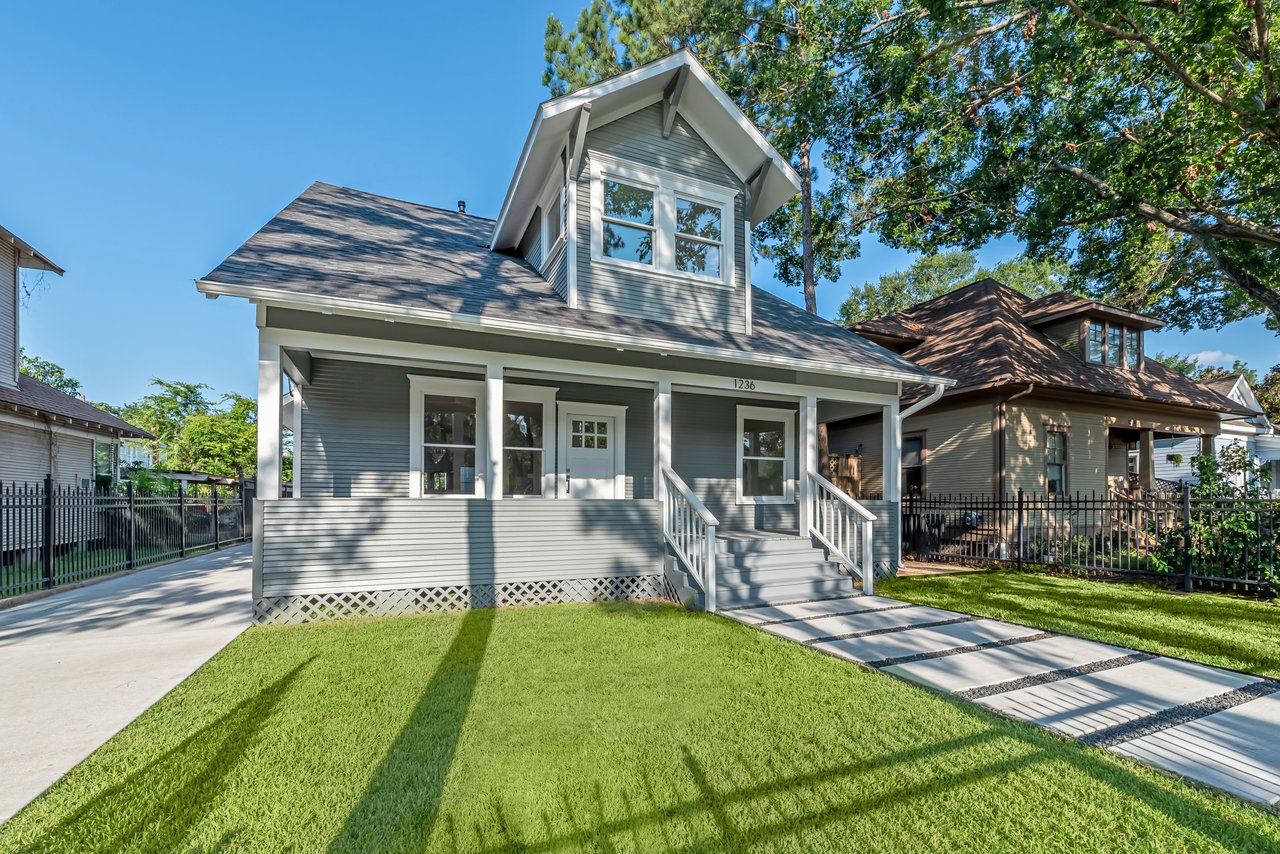
A lot of what people love about Houston Heights comes from the housing stock. The City of Houston says most homes are one- or two-story single-family residences, with common architectural styles including Queen Anne, Craftsman, Folk National, and Folk Victorian.
That mix gives the neighborhood visual character that is hard to fake. You will see older homes with porches and details that reflect the area’s history, especially along well-known residential corridors like Heights Boulevard, Yale, and Harvard, where houses were often built larger than those on other streets.
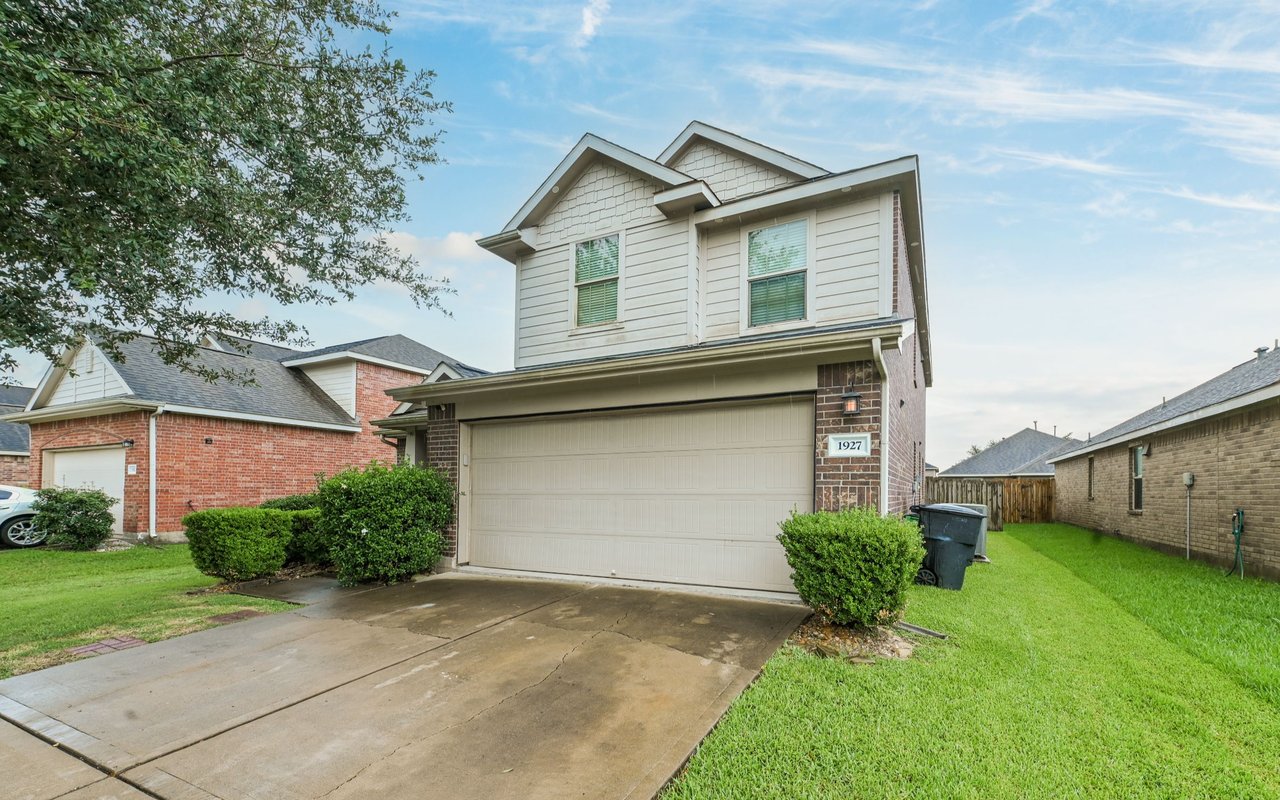
At the same time, the Heights is not frozen in time. The city notes that newer homes have been added on vacant lots, often with traditional details intended to fit the older streetscape. So living here can mean choosing between preserved architecture, updated older homes, and newer construction that still tries to relate to the neighborhood’s established look.
Preservation is part of ownership here
Houston Heights comes with more oversight than some buyers expect. The neighborhood includes three city-designated historic districts, West, East, and South, and the City of Houston says certain exterior changes require approval.
On top of that, the Houston Heights Association enforces recorded deed restrictions in many sections. Because Houston does not use zoning, these deed restrictions and preservation rules do a lot to shape the neighborhood’s appearance and development pattern.
For some buyers, that is a major plus because it helps protect the character of the area. For others, it may feel like added complexity, especially if you want broad renovation flexibility. Either way, it is something you want to understand at the exact-address level before you buy.
Outdoor living is a real part of the lifestyle
If being outside matters to you, the Heights has a lot going for it. Parks and public spaces are woven into the neighborhood experience, with places like Heights Boulevard, Marmion Park, Milroy Park, and Donovan Park showing up as regular landmarks in everyday life.
The Heights Association also helps maintain the boulevard esplanade and stewards neighborhood properties and parks. That contributes to a visible sense of community care, where public spaces feel used, noticed, and supported.
Trails are another major lifestyle advantage. Houston Parks and Recreation says the city maintains more than 163 miles of trails, and Houston Parks Board notes that the White Oak Bayou Greenway connects to the Heights MKT and Heights Hike and Bike Trail, with onward connections to Buffalo Bayou trails.
That makes the Heights especially appealing if you like to run, cycle, walk, or simply have the option to get outside without planning a full day around it. In a practical sense, outdoor access here feels built into normal life rather than reserved for weekends.
Community life feels active and organized
Some neighborhoods are attractive, but socially quiet. Houston Heights tends to be different. The Heights Association lists recurring events like the Fun Run, Spring Home Tour, Holiday Home Tour, and other community gatherings.
That kind of event calendar shapes how a neighborhood feels. The Heights is not only historic and visually recognizable, but also socially organized, with traditions tied to homes, gardens, beautification, and volunteer efforts.
For many residents, that creates a stronger sense of belonging. Even if you are not attending every event, you can feel that there is an active civic culture behind the neighborhood.
Getting around is easier than many buyers expect
Houston Heights still reflects its original purpose as a place where people could live and still reach downtown. Today, METRO Route 40 Telephone/Heights serves the area, and METRO’s Community Connector operates within most of the Heights and nearby communities, though not the entire neighborhood.
That does not mean most residents stop using their cars. It does mean some trips can be handled with more flexibility than in fully car-dependent areas.
Driving access is still a major part of the equation. The historic Heights grid sits against I-10 on the south side, and Loop 610 functions as Houston’s inner ring, which helps explain why the neighborhood often feels centrally located for getting around the city.
Of course, commute reality depends on timing and destination. A central location helps, but freeway conditions still shape what your workday or weekend drive actually feels like.
Practical details matter more here than you might think
Houston Heights rewards buyers who pay attention to specifics. This is not a neighborhood where you should assume every home, block, or section works the same way.
For example, the City of Houston says much of Houston Heights remains subject to a dry ordinance dating back to 1912. That is one of those local details that may not affect every buyer the same way, but it does reinforce the importance of checking the exact property and intended use rather than relying on broad assumptions.
School assignments are another address-level item. Houston ISD’s School Finder is address-based, so if that is part of your home search, it should be verified by exact location rather than neighborhood name alone.
Historic district status and deed restrictions also vary by property. Two homes can both be marketed as being in the Heights while carrying different renovation rules, review requirements, or neighborhood constraints.
Who usually loves living in Houston Heights
Houston Heights tends to be a strong fit if you want a neighborhood with clear identity, historic architecture, local retail pockets, and easy access to parks and trails. It can also appeal to buyers who value a setting that feels established rather than interchangeable.
It may be less appealing if you prefer a highly uniform new-build environment or very limited neighborhood oversight. The Heights offers charm and character, but that often comes with variation, rules, and tradeoffs that are part of the package.
For many buyers, that is exactly the point. The Heights feels personal, layered, and lived-in, which is why it continues to stand out in Houston.
What living in Houston Heights really feels like
At its best, living in Houston Heights feels like having access to city convenience without giving up neighborhood character. You get historic streetscapes, recognizable local hubs, useful outdoor space, and a community identity that shows up in everyday life.
It also feels nuanced. Some streets are quieter than others, some homes come with more preservation oversight, and some practical details really do need careful review before you make a move.
That is where local guidance matters. If you are thinking about buying or selling in the Heights, working with an advisor who understands the block-by-block differences can help you make a more confident decision. If you want help evaluating the Heights lifestyle, property fit, or market opportunities, connect with Thomas Eureste.
FAQs
What is the overall feel of living in Houston Heights?
- Houston Heights generally feels historic, community-oriented, and more neighborhood-scale than many other inner-loop areas, with a mix of quiet residential streets and active commercial pockets.
What types of homes are common in Houston Heights?
- Most homes are one- or two-story single-family residences, with common styles including Queen Anne, Craftsman, Folk National, and Folk Victorian, along with some newer construction designed to fit the older streetscape.
What makes Houston Heights different from other Houston neighborhoods?
- Houston Heights stands out for its streetcar-suburb history, strong civic identity, preserved architecture, walkable retail clusters, and access to parks and trail connections.
Are there historic district rules in Houston Heights?
- Yes. Houston Heights includes city-designated historic districts, and certain exterior changes may require approval. Many sections also have recorded deed restrictions.
Is Houston Heights good for outdoor activities?
- Yes. The neighborhood has parks, boulevard green space, and connections to the White Oak Bayou Greenway, Heights MKT, Heights Hike and Bike Trail, and Buffalo Bayou trail network.
How important is the exact address in Houston Heights?
- It is very important because school assignments, historic district status, deed restrictions, and other practical considerations can vary from one property to another.